
Japanese bedroom ideas can make a bedroom feel more useful, personal, and visually settled when every choice supports the way the space is actually used. The strongest designs do not rely on one expensive feature. They build their effect through proportion, light, storage, texture, and a clear focal point.
This guide uses a solution-first and space-conscious approach, with attention to compact layouts, circulation, hidden storage, and visual breathing room. The ideas can be adapted to a renovation, a rental-friendly refresh, or a gradual update. Use the sections as a menu, then choose the moves that fit your layout, maintenance needs, and daily routine.
A Japanese direction becomes convincing when colors and materials repeat with purpose. Before buying anything, measure the largest pieces, photograph the space in daylight and at night, and identify what currently interrupts movement or creates clutter. That simple review makes the design decisions below much easier to apply.
How to Use Japanese bedroom ideas
Choose ideas in layers. First settle the layout and storage, then improve light and color, and finally add the smaller objects that communicate the style. This order keeps the room practical and reduces the chance that an attractive accessory creates a new problem. It also makes it easier to pause between stages and judge what the space still needs.
Plan the Bedroom Before Adding Details
Start with the fixed elements: doors, windows, plumbing, appliances, built-ins, and the main walking route. Then place the largest furniture or storage piece. Smaller choices should support that plan rather than forcing the layout to bend around them. This keeps the result solution-first and space-conscious and helps the room feel easier to use.
Build a short palette using warm white, pale oak, one grounding tone such as soft taupe, and a limited accent. Test samples beside the existing floor and in the room’s real light. The goal is not a perfect match. It is a group of colors and materials that share compatible undertones and support compact layouts, circulation, hidden storage, and visual breathing room.
30 Design Ideas to Shape the Space
1. Anchor the Bed With a Full-Width Headboard
Making anchor the Bed With a Full-Width Headboard the focus can improve circulation, while nearby surfaces stay quiet enough for the bedroom to remain balanced and practical.
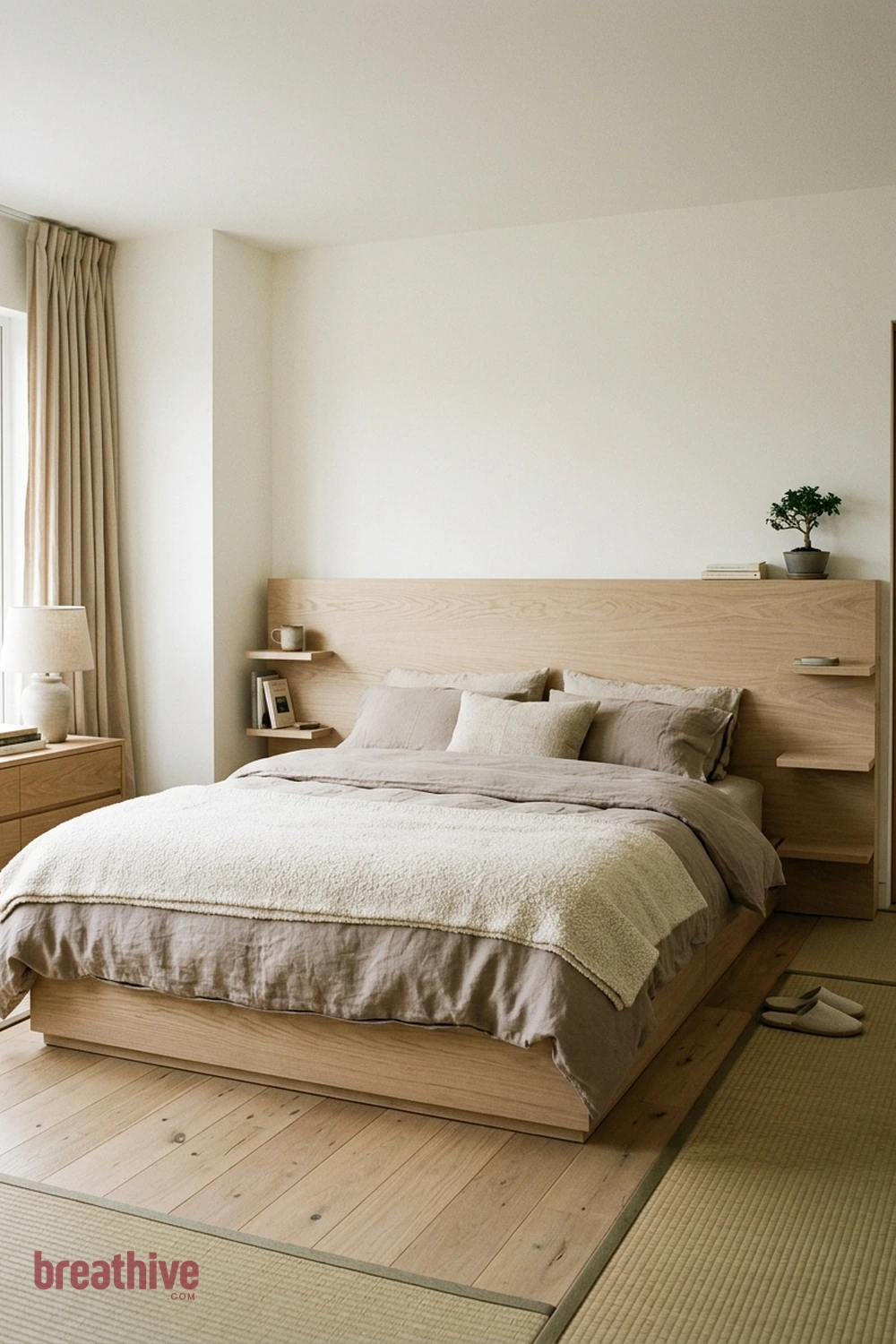
This bedroom view shows how the design move can guide both mood and function. The combination of warm white, pale oak, linen, and warm oak keeps the scene grounded, while the hero view makes the main relationship easy to understand. Notice the clear walking space and the limited number of competing details.
2. Layer Bedside Lighting at Two Heights
This feature strengthens visual balance when its scale follows the main furniture and leaves the everyday walking path clear.
3. Use Wall-Mounted Nightstands to Free the Floor
Treat the idea as a functional layer, repeating boucle once elsewhere so it feels connected rather than added at the end.
4. Choose Bedding With Quiet Tonal Contrast
Pair the feature with charcoal accents and cane, then edit one competing detail to protect visual calm and daily function.
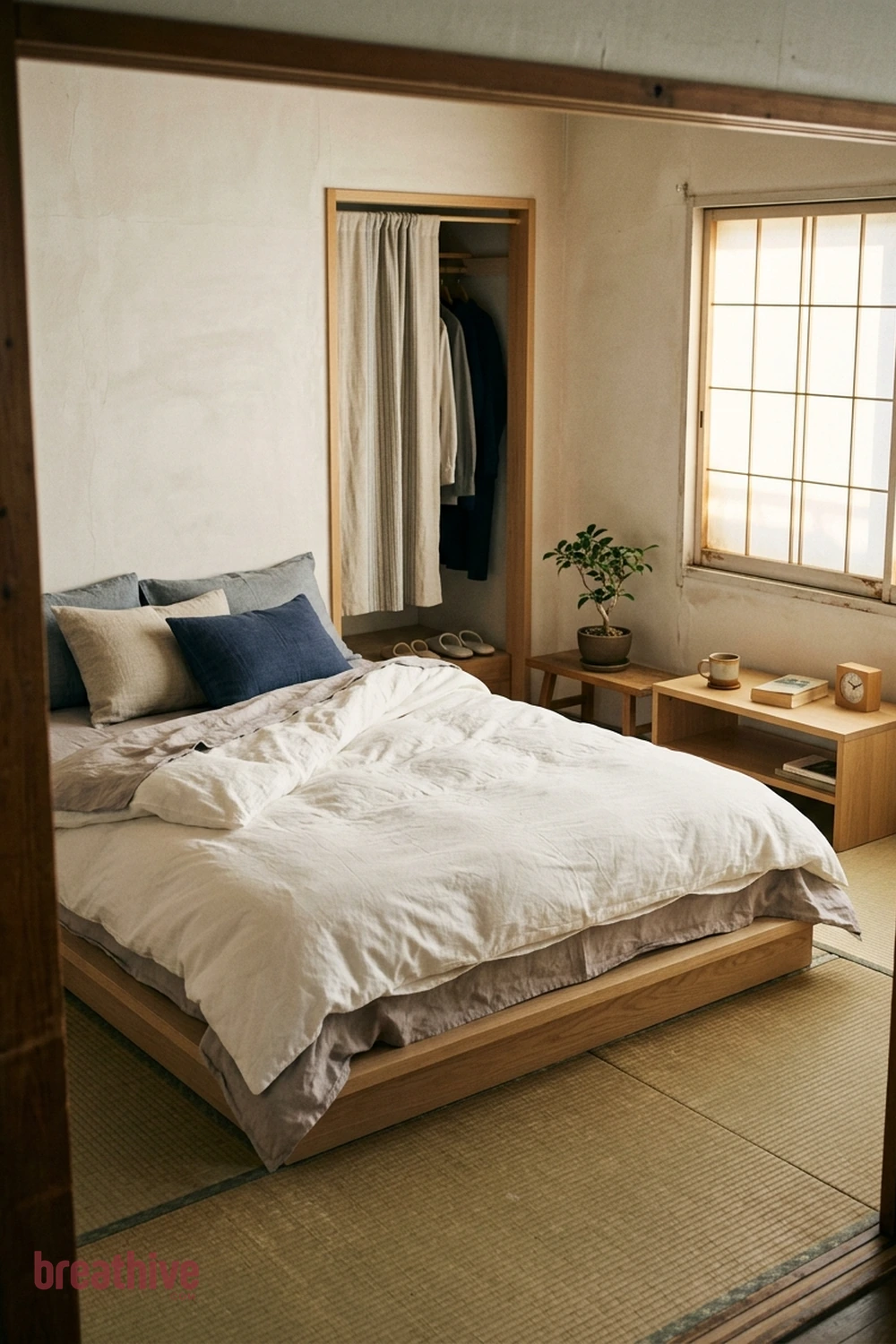
This bedroom view shows how the design move can guide both mood and function. The combination of warm white, pale oak, linen, and warm oak keeps the scene grounded, while the wide view makes the main relationship easy to understand. Notice the clear walking space and the limited number of competing details.
5. Add a Bench Without Blocking Circulation
Before committing to this move, check the doorway view and confirm that storage, cleaning, and movement still feel straightforward.
6. Frame the Bed With Slim Built-Ins
Making the Bed With Slim Built-Ins the focus can improve a stronger focal point, while nearby surfaces stay quiet enough for the bedroom to remain balanced and practical.
7. Create a Soft Reading Corner
This feature strengthens circulation when its scale follows the main furniture and leaves the everyday walking path clear.
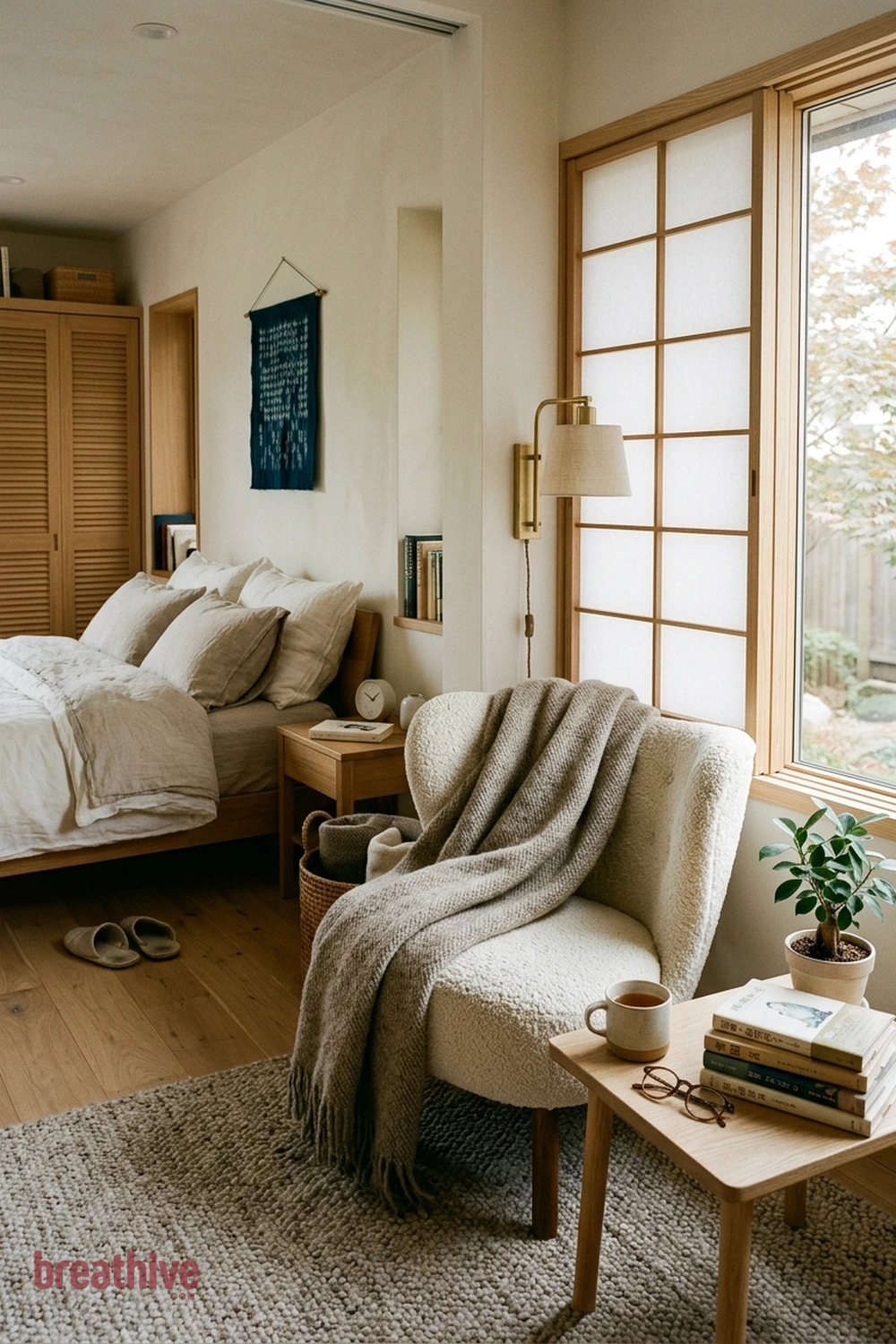
This bedroom view shows how the design move can guide both mood and function. The combination of warm white, pale oak, linen, and warm oak keeps the scene grounded, while the functional view makes the main relationship easy to understand. Notice the clear walking space and the limited number of competing details.
8. Use Curtains From Ceiling to Floor
Treat the idea as a functional layer, repeating matte metal once elsewhere so it feels connected rather than added at the end.
9. Balance Dark Furniture With Pale Textiles
Pair the feature with warm white and washed cotton, then edit one competing detail to protect visual calm and daily function.
10. Add Texture Through a Plaster or Limewash Wall
Before committing to this move, check the doorway view and confirm that storage, cleaning, and movement still feel straightforward.
11. Keep the Dresser Low and Visually Light
Making the Dresser Low and Visually Light the focus can improve light distribution, while nearby surfaces stay quiet enough for the bedroom to remain balanced and practical.
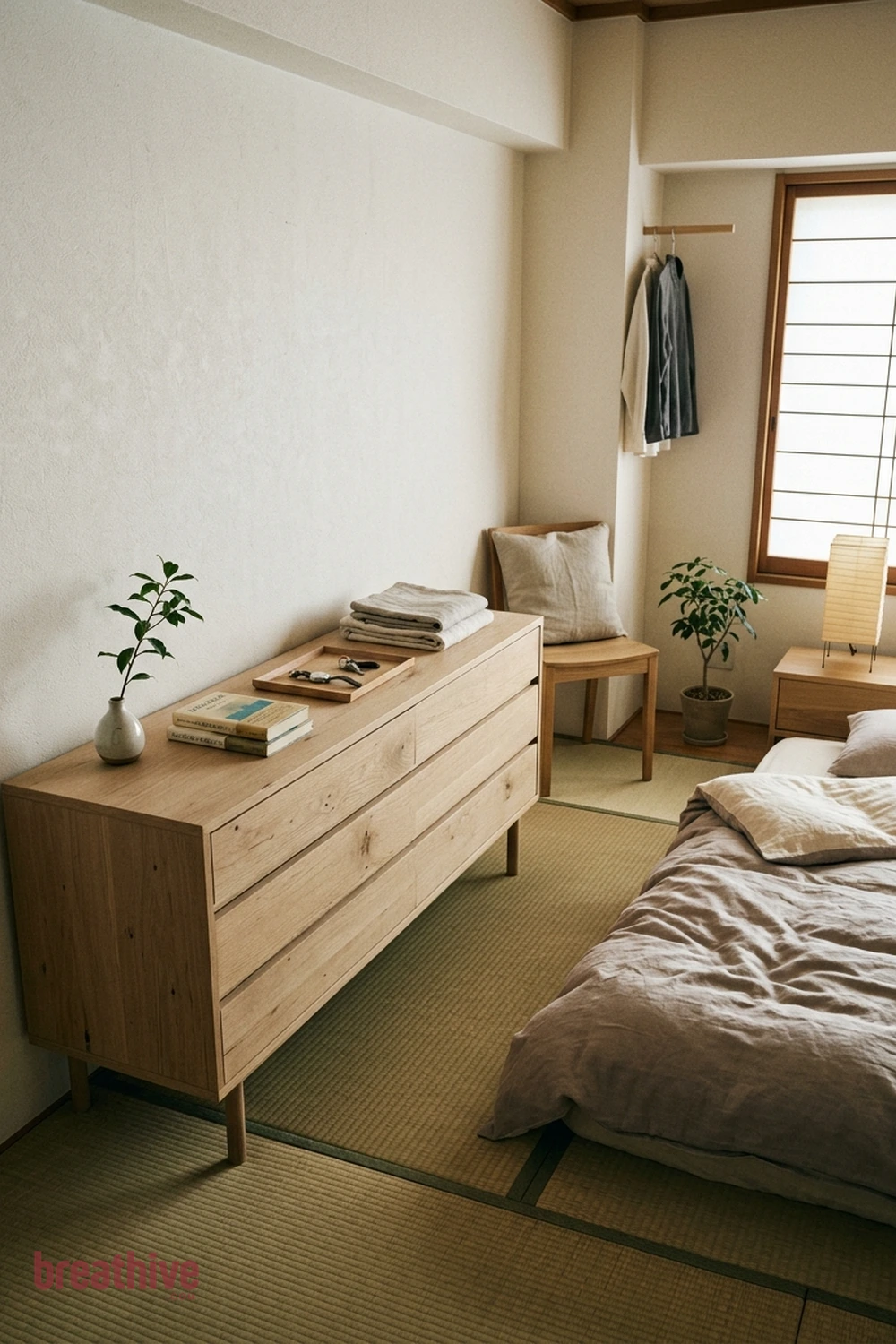
This bedroom view shows how the design move can guide both mood and function. The combination of warm white, pale oak, linen, and warm oak keeps the scene grounded, while the material detail makes the main relationship easy to understand. Notice the clear walking space and the limited number of competing details.
12. Use One Oversized Artwork Instead of Many Small Pieces
This feature strengthens a stronger focal point when its scale follows the main furniture and leaves the everyday walking path clear.
13. Place a Rug Beyond the Bed Edges
Treat the idea as a functional layer, repeating wool once elsewhere so it feels connected rather than added at the end.
14. Add Warm Wood Near the Sleeping Zone
Pair the feature with pale oak and linen, then edit one competing detail to protect visual calm and daily function.
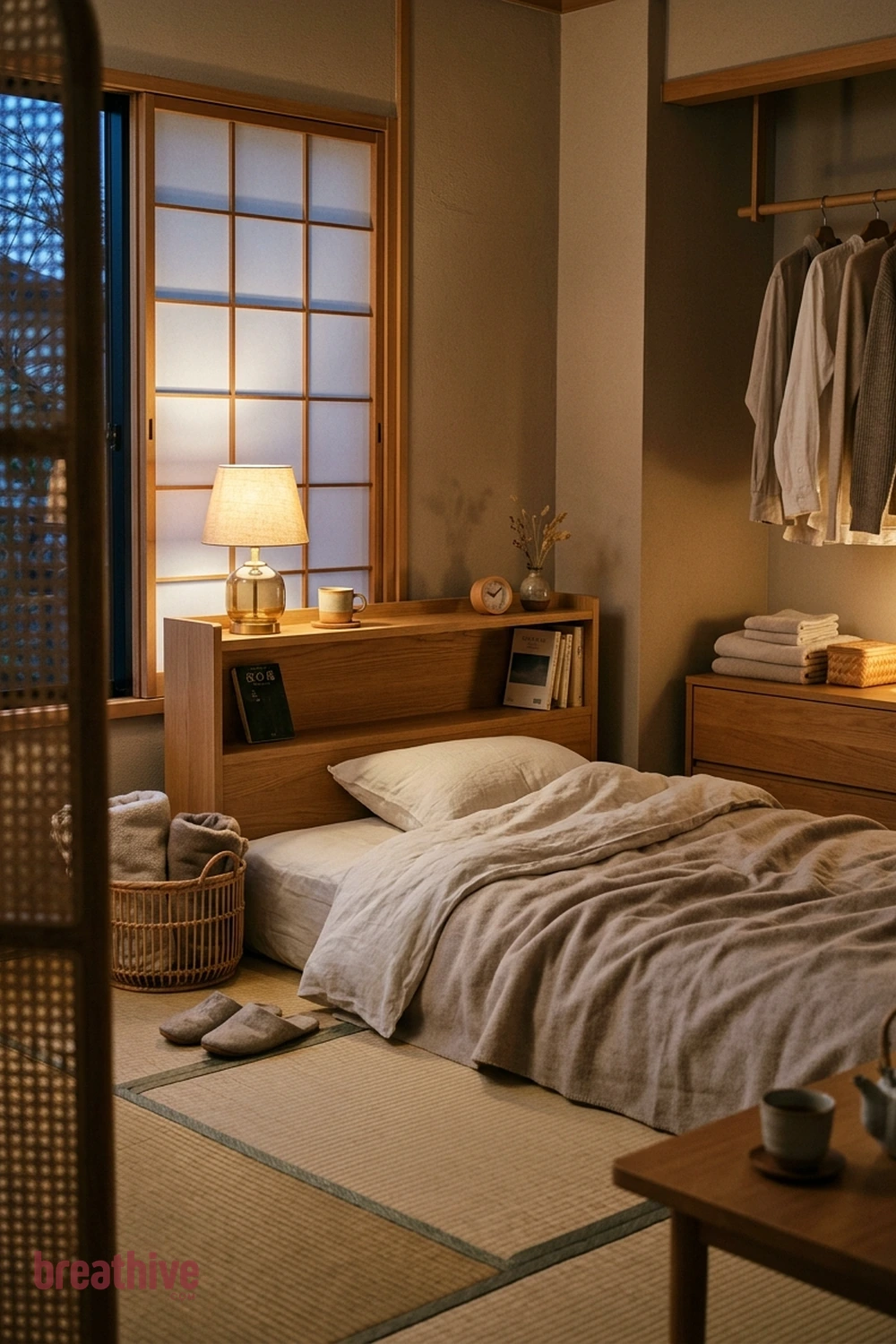
This bedroom view shows how the design move can guide both mood and function. The combination of warm white, pale oak, linen, and warm oak keeps the scene grounded, while the alternate angle makes the main relationship easy to understand. Notice the clear walking space and the limited number of competing details.
15. Hide Charging Cables Inside the Nightstand
Before committing to this move, check the doorway view and confirm that storage, cleaning, and movement still feel straightforward.
16. Use a Pendant When the Nightstand Is Narrow
Making a Pendant When the Nightstand Is Narrow the focus can improve comfort, while nearby surfaces stay quiet enough for the bedroom to remain balanced and practical.
17. Create Symmetry Without Making the Room Rigid
This feature strengthens light distribution when its scale follows the main furniture and leaves the everyday walking path clear.
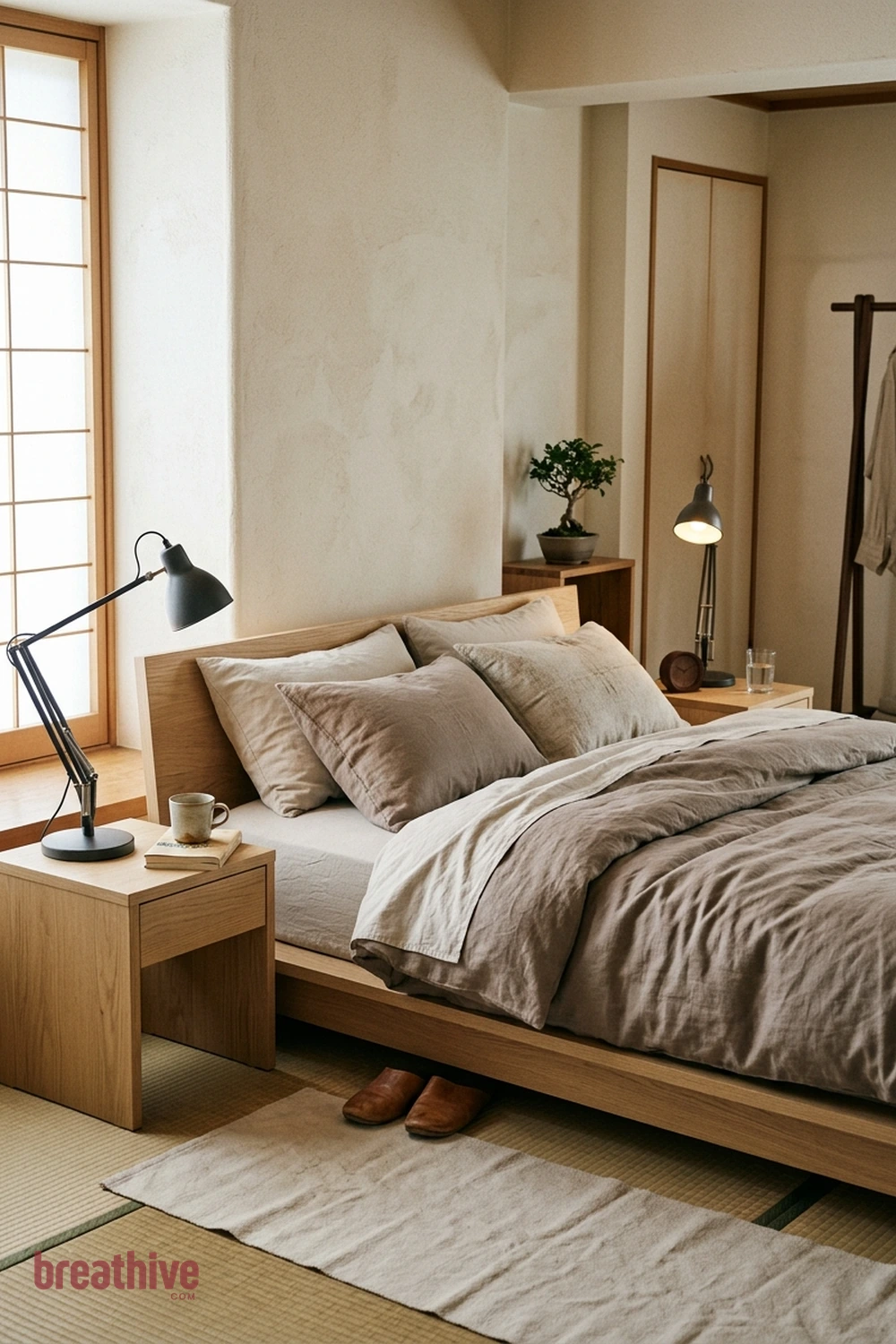
This bedroom view shows how the design move can guide both mood and function. The combination of warm white, pale oak, linen, and warm oak keeps the scene grounded, while the mood view makes the main relationship easy to understand. Notice the clear walking space and the limited number of competing details.
18. Mix Matte and Softly Reflective Surfaces
Treat the idea as a functional layer, repeating warm oak once elsewhere so it feels connected rather than added at the end.
19. Add a Small Shelf Above the Headboard
Pair the feature with soft taupe and plaster, then edit one competing detail to protect visual calm and daily function.
20. Keep the Path to the Closet Clear
Before committing to this move, check the doorway view and confirm that storage, cleaning, and movement still feel straightforward.
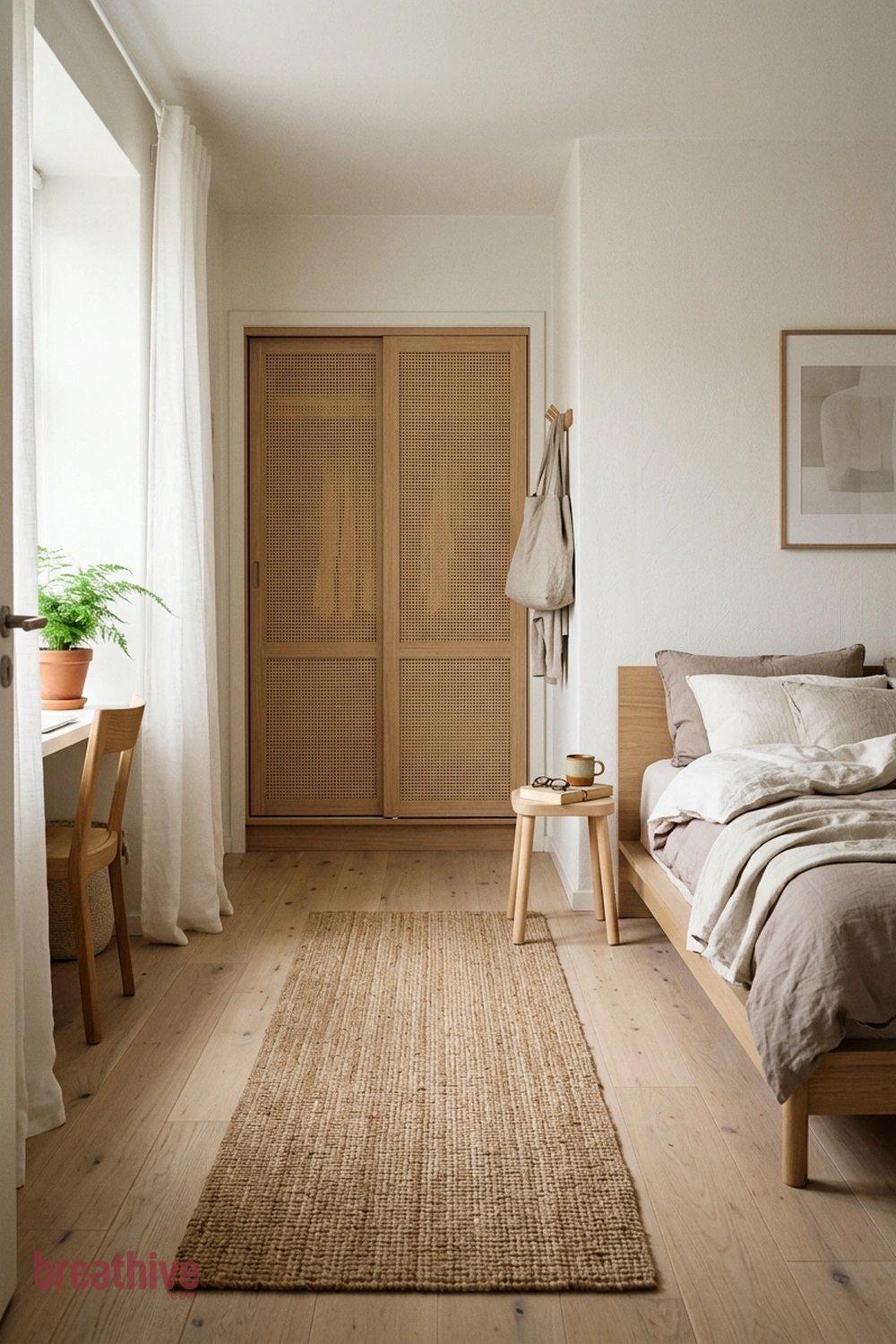
This bedroom view shows how the design move can guide both mood and function. The combination of warm white, pale oak, linen, and warm oak keeps the scene grounded, while the vertical save-worthy view makes the main relationship easy to understand. Notice the clear walking space and the limited number of competing details.
21. Use Under-Bed Storage That Disappears
Making under-Bed Storage That Disappears the focus can improve storage, while nearby surfaces stay quiet enough for the bedroom to remain balanced and practical.
22. Let One Accent Color Repeat Three Times
This feature strengthens comfort when its scale follows the main furniture and leaves the everyday walking path clear.
23. Choose a Bed Frame With Visible Floor Beneath
Treat the idea as a functional layer, repeating cane once elsewhere so it feels connected rather than added at the end.
24. Add a Mirror Where It Reflects Daylight
Pair the feature with charcoal accents and boucle, then edit one competing detail to protect visual calm and daily function.
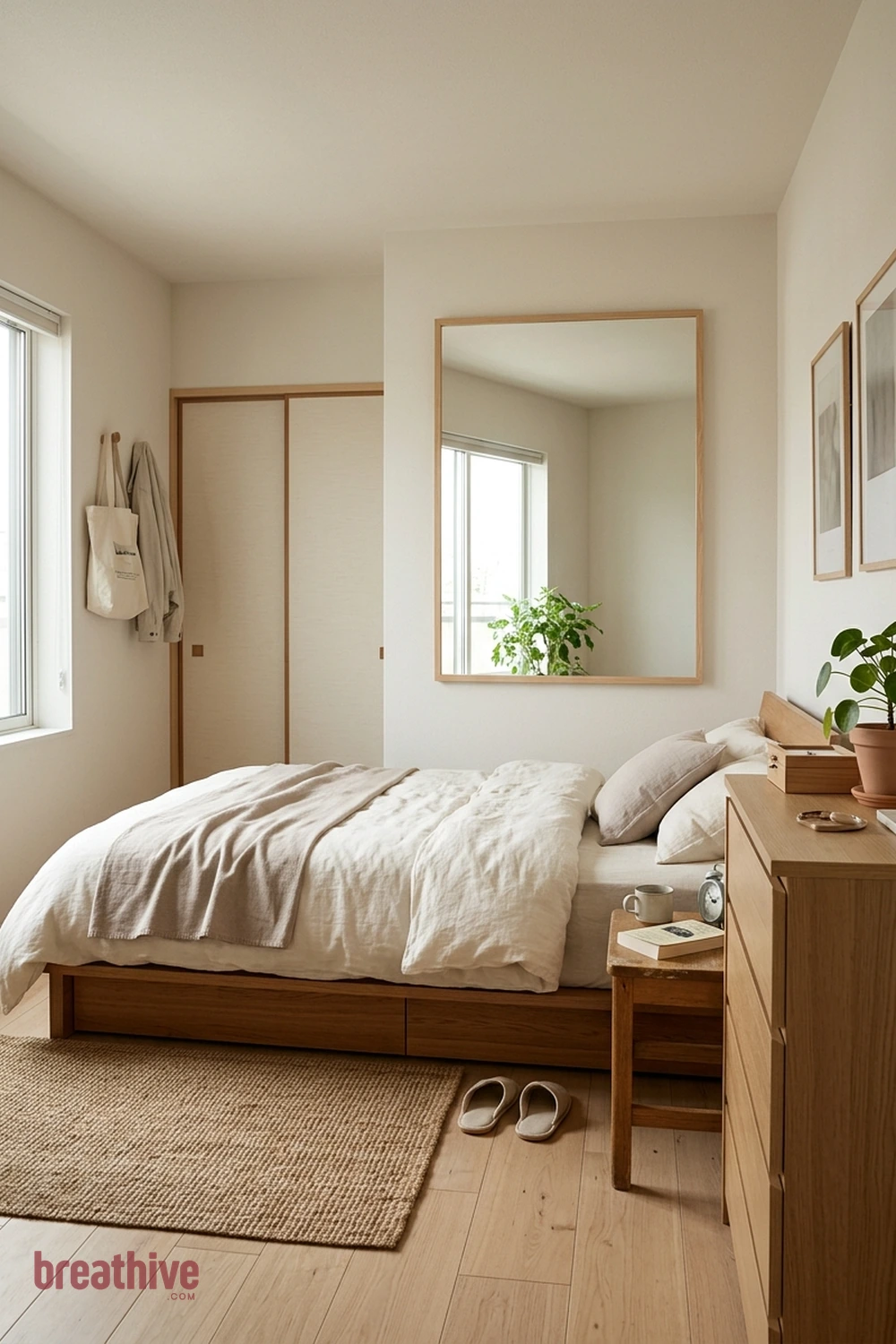
This bedroom view shows how the design move can guide both mood and function. The combination of warm white, pale oak, linen, and warm oak keeps the scene grounded, while the wide view makes the main relationship easy to understand. Notice the clear walking space and the limited number of competing details.
25. Use an Upholstered Headboard for Acoustic Softness
Before committing to this move, check the doorway view and confirm that storage, cleaning, and movement still feel straightforward.
26. Create a Calm Corner With a Floor Lamp
Making a Calm Corner With a Floor Lamp the focus can improve visual balance, while nearby surfaces stay quiet enough for the bedroom to remain balanced and practical.
27. Paint Trim and Walls in Related Tones
This feature strengthens storage when its scale follows the main furniture and leaves the everyday walking path clear.
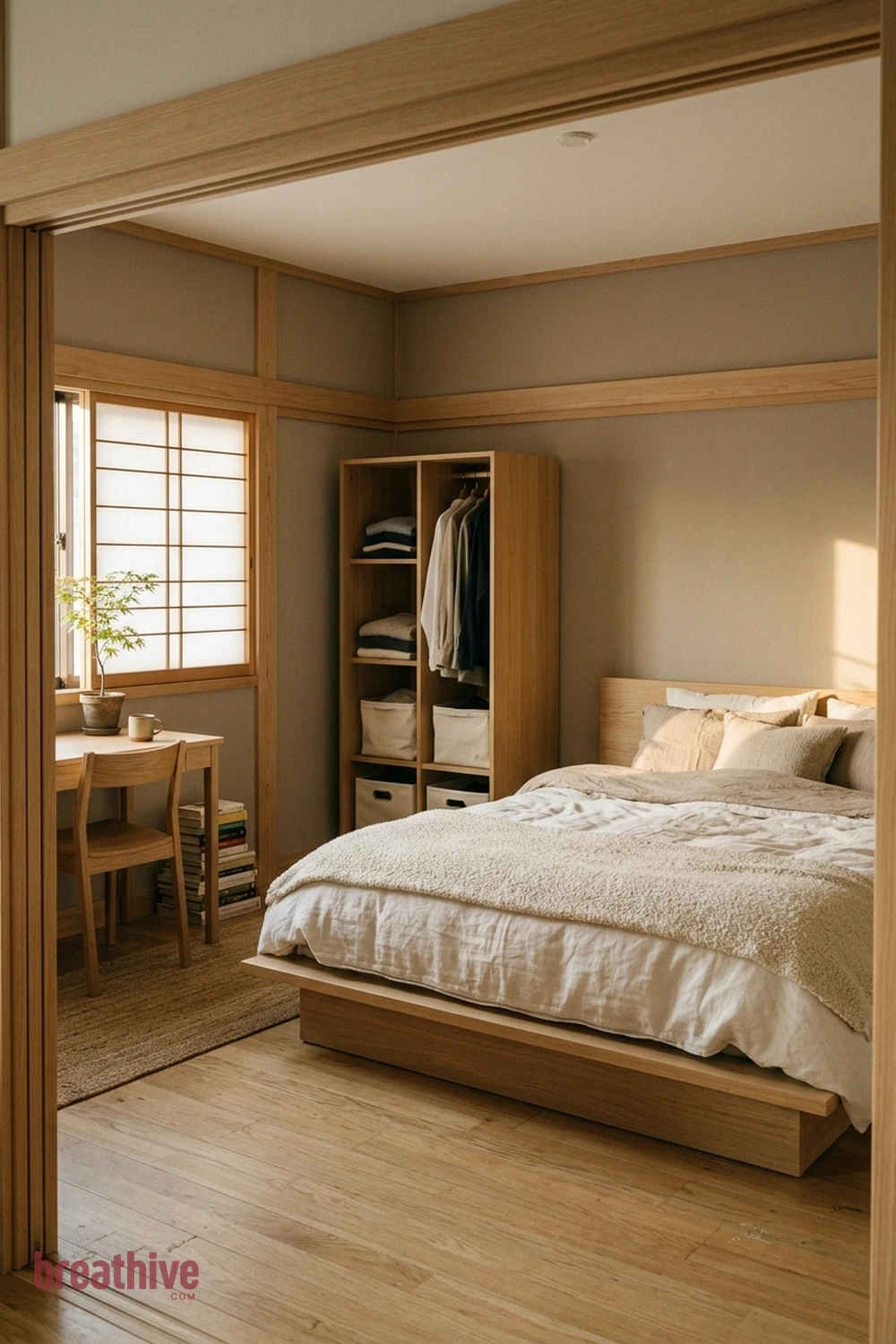
This bedroom view shows how the design move can guide both mood and function. The combination of warm white, pale oak, linen, and warm oak keeps the scene grounded, while the functional view makes the main relationship easy to understand. Notice the clear walking space and the limited number of competing details.
28. Use a Narrow Console as a Dressing Surface
Treat the idea as a functional layer, repeating washed cotton once elsewhere so it feels connected rather than added at the end.
29. Add Natural Fiber Baskets for Loose Items
Pair the feature with warm white and matte metal, then edit one competing detail to protect visual calm and daily function.
30. Choose Hardware That Matches the Mood
Before committing to this move, check the doorway view and confirm that storage, cleaning, and movement still feel straightforward.
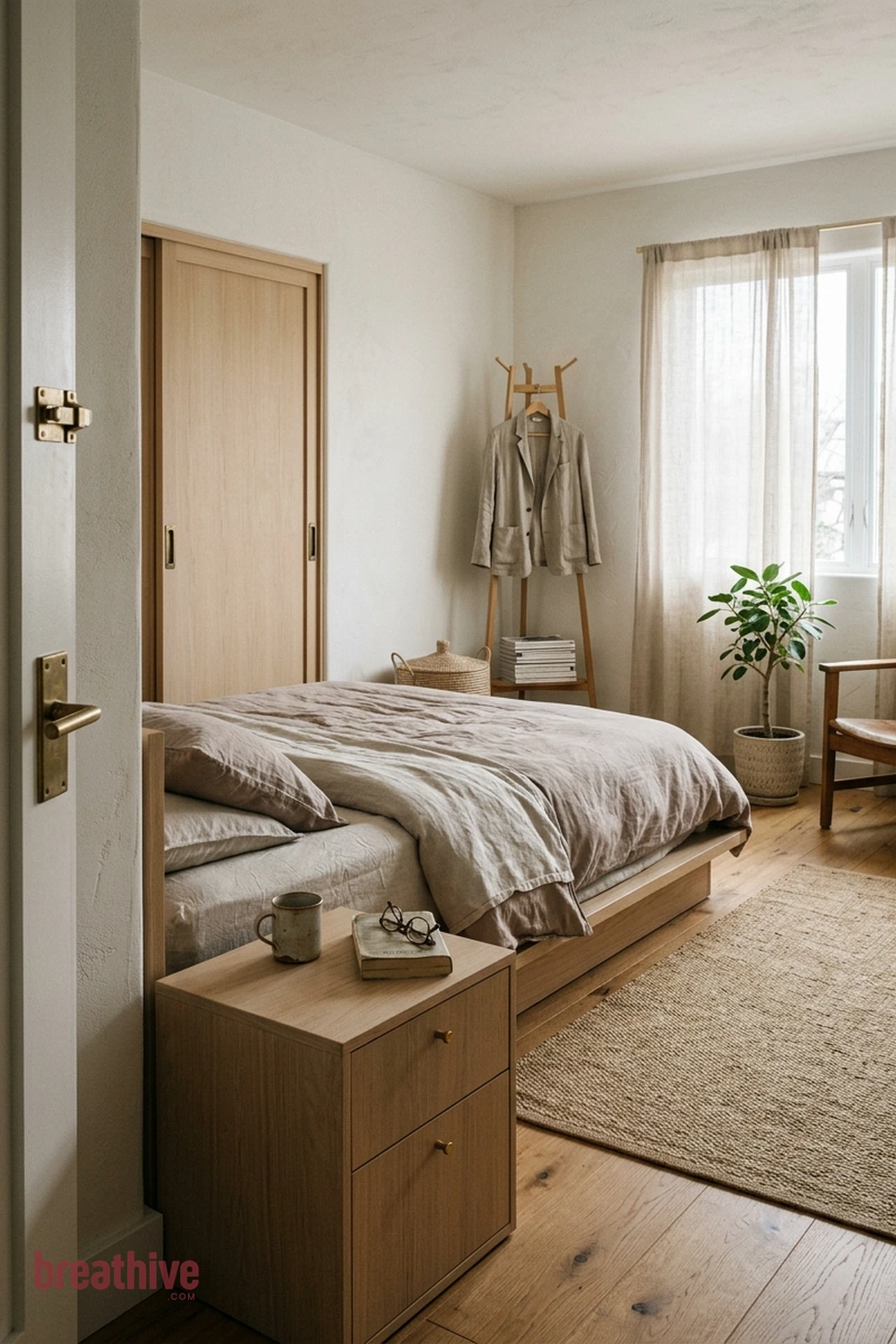
This bedroom view shows how the design move can guide both mood and function. The combination of warm white, pale oak, linen, and warm oak keeps the scene grounded, while the material detail makes the main relationship easy to understand. Notice the clear walking space and the limited number of competing details.
Make the Ideas Work as One Room
After selecting the strongest moves, remove anything that repeats the same job without adding comfort or function. Check the room from the doorway, from the main seat, and from the path used most often. A cohesive bedroom usually has one clear focal point, a supporting palette, and enough empty space for the important elements to be noticed.
Keep maintenance in the plan. A surface that looks beautiful but is difficult to clean, reach, or repair may create frustration. The best version of Japanese bedroom ideas balances the visual idea with the realities of storage, dust, moisture, children, pets, cooking, work, or entertaining, depending on how the space is used.
Frequently Asked Questions
How do I choose which Japanese bedroom ideas to try first?
Start with the change that solves the biggest daily problem in the bedroom. Improve circulation, storage, light, or comfort before adding decorative layers. One well-chosen functional change often makes later styling decisions clearer and prevents unnecessary purchases.
Can I use these ideas in a small bedroom?
Yes. Keep the main furniture appropriately scaled, protect the walking path, and use fewer materials with more repetition. Wall-mounted storage, lighter visual weight, and flexible pieces can add function without making a compact bedroom feel crowded.
How can I make the design feel cohesive?
Repeat two or three elements across the room, such as a wood tone, a metal finish, or an accent color. The repetitions do not need to match exactly. They only need to feel related enough to connect the larger and smaller pieces.
What should I avoid when updating the bedroom?
Avoid buying several statement pieces before the layout is settled. Also avoid blocking natural light, shrinking the walking route, or choosing finishes only from online images. Samples and accurate measurements are more reliable than a color seen on a screen.
Final Thoughts
Japanese bedroom ideas feel most convincing when the room’s layout, light, materials, and storage tell the same story. Begin with one practical change, test it in the real space, and then add the next layer. A measured approach creates a room that looks considered while remaining comfortable and manageable every day.